Scientific Sessions
Scientific Sessions
The conference will feature a series of sessions and panel discussions organized around seven key sub-themes:
1. Marine Biodiversity Conservation: Its Importance for Fisheries and the Blue Economy :
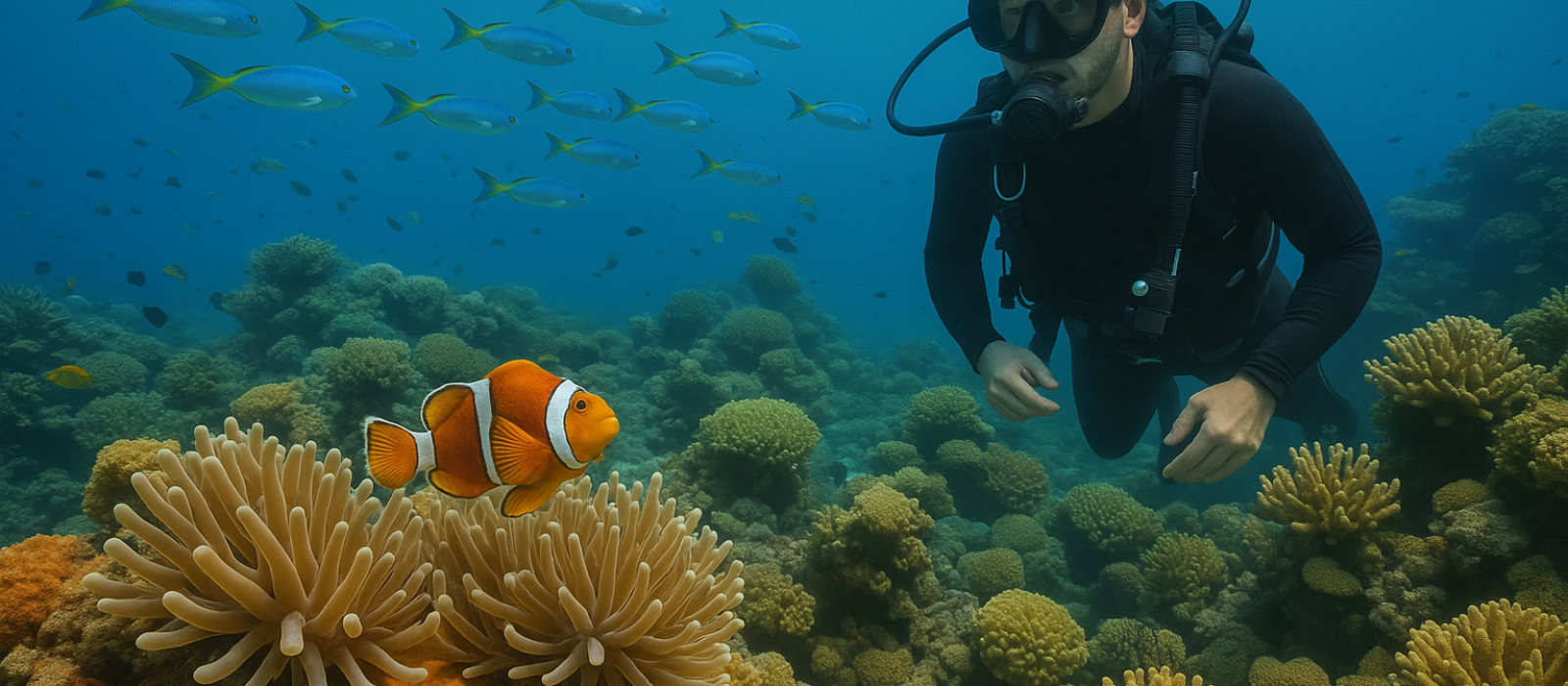
This sub theme covers the role of marine biodiversity in supporting fisheries productivity and resilience. The impacts of fisheries and aquaculture on marine biodiversity and ecosystem services. The challenges and opportunities for marine biodiversity conservation in the context of the blue economy. The best practices and standards for marine biodiversity conservation and management. The benefits and trade-offs of marine biodiversity conservation for human well-being and development.
2. Sustainable Management and Governance of Marine Fisheries: Challenges, Solutions, and Best Practices :
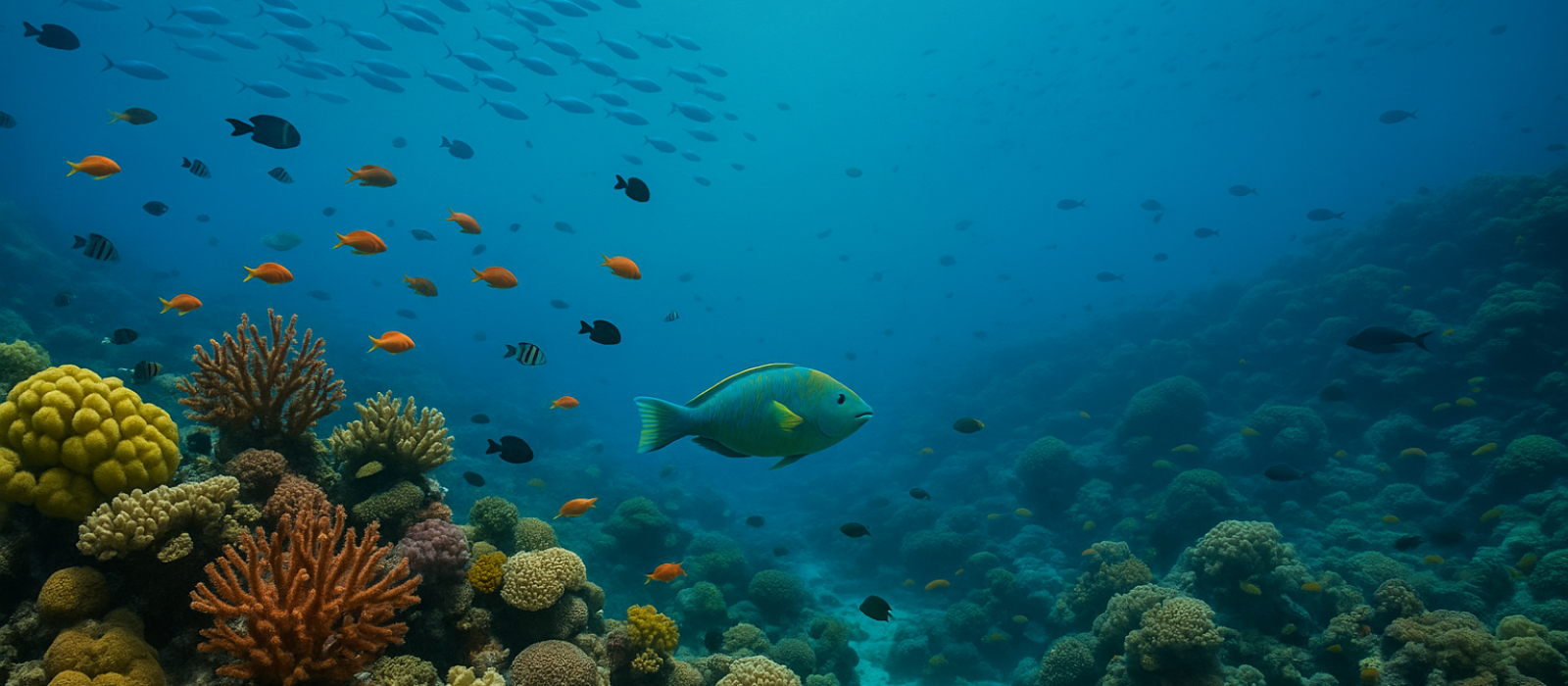
This sub-theme would address the issues and solutions for sustainable management and governance of marine fisheries which are vital for food security poverty reduction and livelihoods for millions of people, especially in developing countries. It would also cover the topics of illegal, unregulated, and unreported (IUU) fishing, overfishing, and stock recovery, and the best practices and tools for effective fisheries management and governance, such as rights-based approaches, co-management, and marine spatial planning.
3. Responsible Aquaculture and Sustainable Seafood Production: Balancing Demand, Ecology, and Economy :
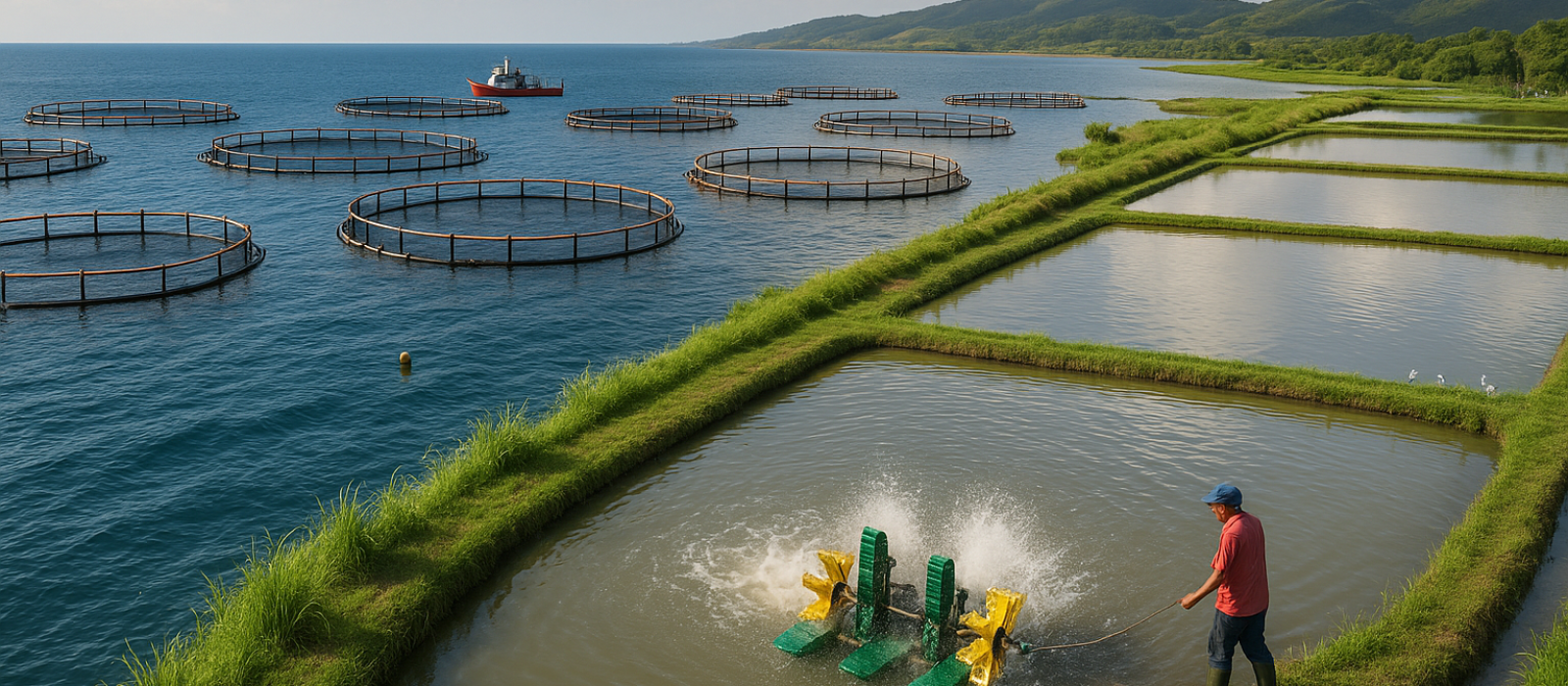
This sub-theme covers the topics such as the current status and future prospects of aquaculture production and seafood consumption in the context of global food security and nutrition, the environmental and social impacts of aquaculture and seafood production and identify best practices and standards for responsible and sustainable operations. To discuss the challenges and opportunities for aquaculture and seafood innovation, technology, and governance, and how they can contribute to the blue economy and the Sustainable Development Goals. To share the experiences and lessons learned from various aquaculture and seafood stakeholders, such as producers, processors, retailers, consumers, researchers, policy makers, and civil society.
4. Blue Carbon Sinks: Their Role in Climate Change Mitigation and Benefits for Marine Fisheries, Communities, and Biodiversity :
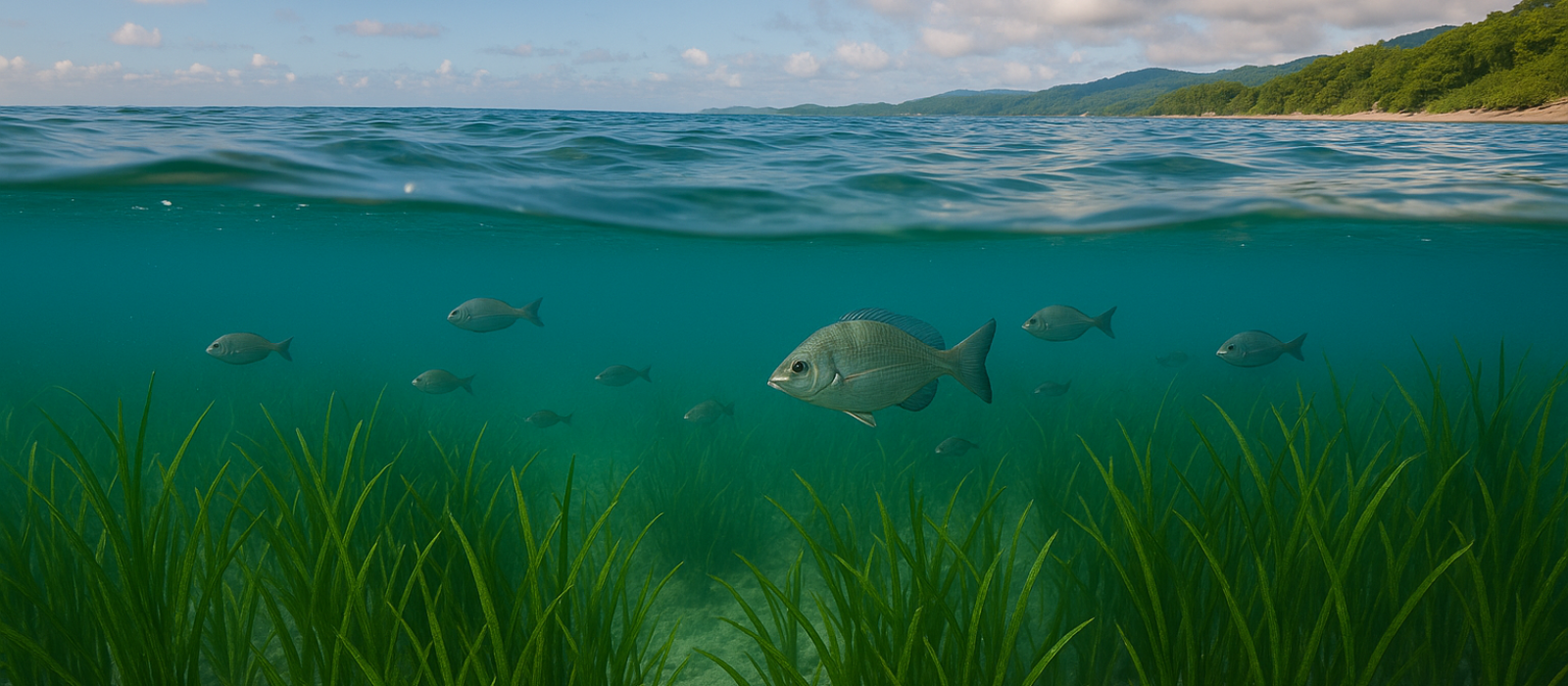
This sub-theme would explore the role of blue carbon sinks, such as mangroves, tidal marshes, and seagrass meadows, in sequestering and storing carbon and mitigating the impacts of climate change. It would also highlight the benefits of blue carbon sinks for marine fisheries, coastal communities, and biodiversity, and the challenges and opportunities for their conservation and restoration.
5. Estuarine Coastal and Ocean Biogeochemistry: Processes, Interactions, and Feedback :
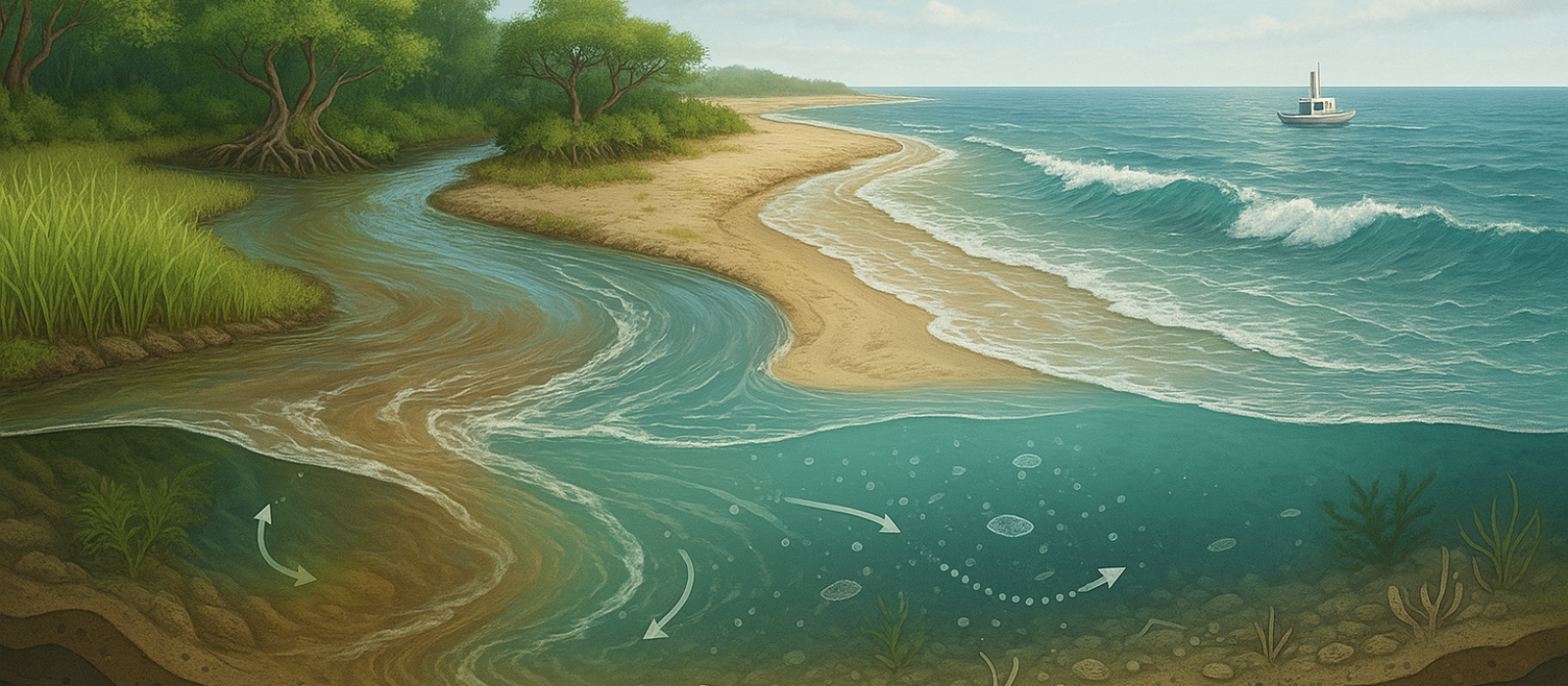
This theme covers topics such as the sources, sinks, and transformations of carbon and nutrients in estuaries, coasts, and oceans, the coupling and decoupling of biogeochemical cycles across different spatial and temporal scales, the impacts of human activities and climate change on biogeochemical processes and ecosystem services, and the challenges and opportunities for biogeochemical monitoring, modeling, and management.
6. Circular Economy in the Blue Sector: Policy, Collaboration, and Finance for Resource Efficiency and Sustainability:
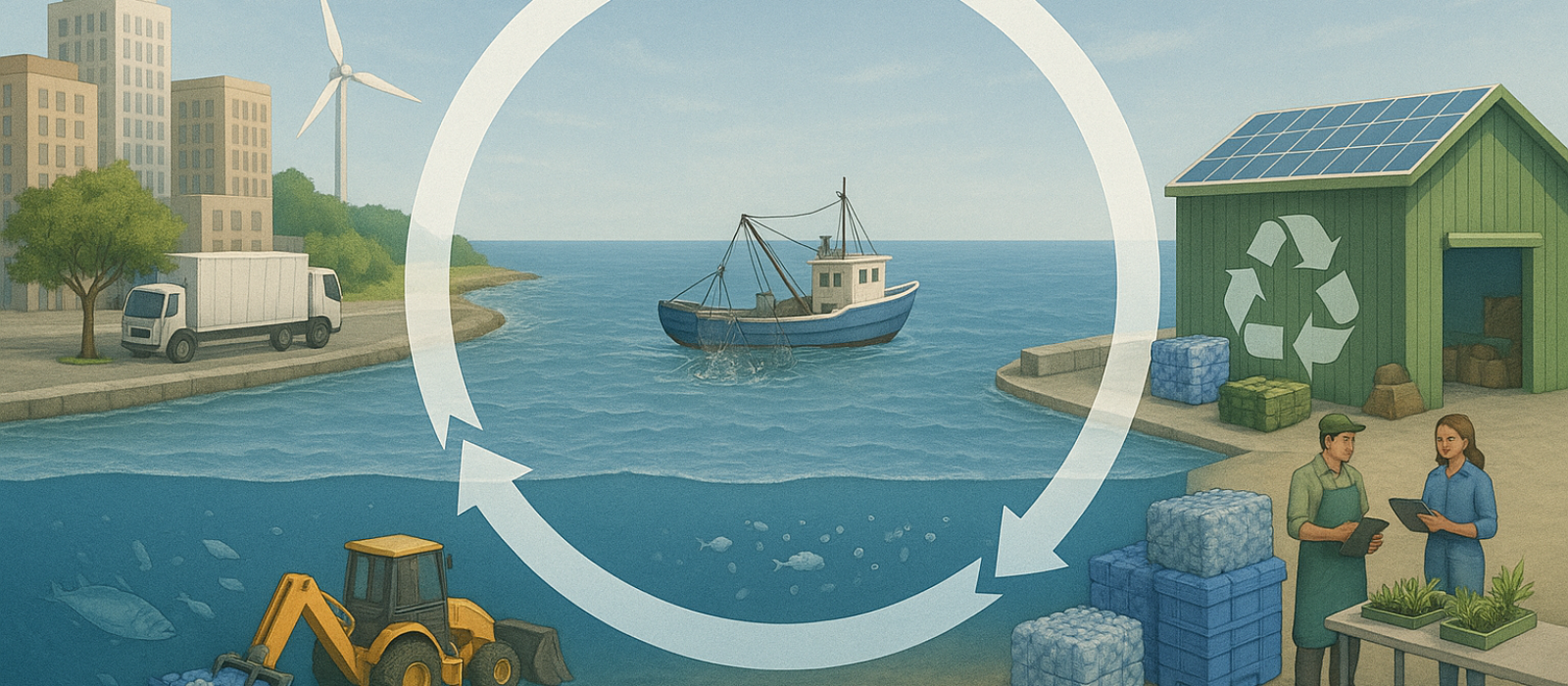
This sub theme covers the policy frameworks and instruments that support the transition to a circular blue economy at the local, national, regional and global levels. The collaboration and partnership models that foster innovation, knowledge exchange and stakeholder engagement in the circular blue economy. The financing mechanisms and opportunities that enable the scaling up and replication of circular blue economy solutions and practices. The benefits and challenges of implementing circular blue economy initiatives in various sectors and contexts, such as sustainable seafood, green ports and shipping, marine renewable energy, coastal tourism, and marine ecosystem management.
7. Ocean Health Technology and Innovation:
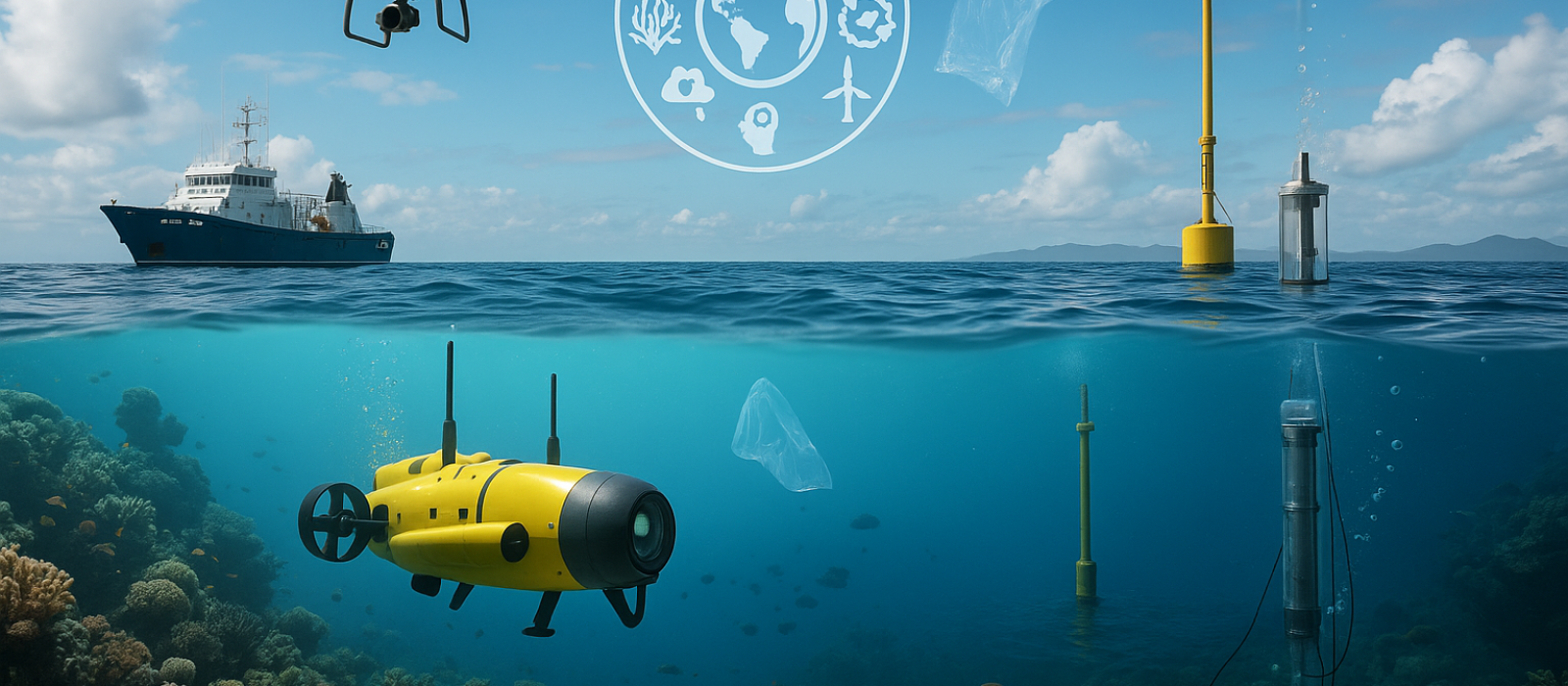
This sub theme covers topics such as ocean acidification and warming, source, transport, fate, impacts and mitigation strategies of marine plastics and microplastics, ocean carbon sequestration and storage, ocean observation and monitoring, and ocean adaptation and mitigation, ocean engineering and robotics, ocean energy and resources, ocean data and information, and ocean solutions and challenges.